Explore Glacier: Must-Do Hikes for Glaciers, Lakes & Wildlife
Nestled amidst the rugged grandeur of northwestern Montana, Glacier National Park beckons adventurers with its breathtaking vistas and untamed wilderness. Spanning over a million acres, this revered landscape, often hailed as the "Crown of the Continent," offers an unparalleled sanctuary for those seeking to immerse themselves in nature's majesty. From its pristine alpine forests and vast meadows to its dramatic U-shaped valleys carved by ancient glaciers, Glacier is a testament to raw, natural beauty. For outdoor enthusiasts and nature lovers alike, discovering the
best hikes in Glacier National Park is the ultimate quest to unlock its wonders.
Established in 1910, Glacier National Park’s creation was a pivotal moment in early 20th-century conservation, aiming to safeguard America’s natural treasures. Its very name pays homage to the colossal glaciers that sculpted this remarkable terrain millions of years ago, leaving behind a legacy of jagged peaks, crystalline lakes, and a landscape unlike any other. Recognized globally for its ecological significance and exceptional beauty, Glacier was designated a UNESCO World Heritage Site in 1995. Furthermore, it forms the Waterton-Glacier International Peace Park with Canada's Waterton Lakes National Park, a powerful symbol of international cooperation and shared natural heritage. Today, millions flock to Glacier annually, drawn by its diverse ecosystems, abundant wildlife, and over 700 miles of meticulously maintained hiking trails that promise experiences for every level of outdoor enthusiast.
Why Glacier National Park is a Hiker's Paradise
Glacier National Park isn't just a park; it's an immersive experience for the senses, particularly for hikers. Its sprawling network of trails offers access to an incredibly diverse range of landscapes, each more stunning than the last. Imagine traversing ancient cedar forests, emerging into high alpine meadows bursting with wildflowers, or standing before a towering waterfall cascading into an emerald lake. This is the everyday reality for those who venture onto the
best hikes in Glacier National Park.
The park's dramatic topography, a direct result of glacial erosion, creates unique ecosystems that support a rich array of wildlife. Hikers often spot majestic bighorn sheep and nimble mountain goats scaling rocky cliffs, while the more elusive grizzly bears and black bears roam the lower elevations. The park is also home to a myriad of bird species, making every turn a potential wildlife viewing opportunity. The deep, clear waters of lakes like McDonald and Bowman, framed by towering peaks, offer serene moments of reflection or the thrill of a refreshing dip after a long hike. Whether you're seeking a leisurely lakeside stroll or an arduous climb to a glacial overlook, Glacier's trails are gateways to truly unforgettable natural encounters, solidifying its reputation as a premier hiking destination.
Timing Your Adventure: When to Experience the Best Hikes in Glacier National Park
Choosing the ideal time to visit Glacier National Park is crucial for maximizing your hiking experience. The park's varied elevations and dynamic weather patterns mean conditions can change dramatically throughout the year. While Glacier is technically open year-round, many of its essential facilities and roads, including the iconic Going-to-the-Sun Road, close during the heavy winter snows. This vital artery, which provides access to numerous popular trailheads, typically opens from late June or early July and closes in mid-October, depending on prevailing weather conditions. For a deeper dive into optimizing your visit based on seasonal variations, be sure to explore our guide on
Hike Glacier's Crown: Navigate Best Trails & Peak Seasons.
The prime hiking window in Glacier National Park stretches from **July through August**. During these months, most trails are snow-free, vibrant wildflowers blanket the meadows, and the weather is generally warm and stable. However, this popularity comes with a caveat: prepare for significant crowds, bustling trailheads, and often limited parking. For those who prefer a more tranquil experience, consider the shoulder seasons. **June** offers spectacular waterfalls swollen by snowmelt, though some higher-elevation trails might still be partially snow-covered. **September** brings crisp air, fewer crowds, and the breathtaking display of autumn colors, particularly along the western side of the park, though early snow can sometimes close high passes. Regardless of when you visit, always check current trail conditions, road statuses, and weather forecasts before heading out.
Discovering the Best Hikes in Glacier National Park: Iconic Trails for Every Explorer
With over 700 miles of trails and more than 50 day hikes, Glacier National Park presents an embarrassment of riches. How do you choose among the
best hikes in Glacier National Park? The key is to match your fitness level and interests with the park's diverse offerings. From easy, family-friendly walks to challenging, multi-day backpacking excursions, there’s a trail for everyone. For a comprehensive look at tailoring your adventure, check out
Discover Glacier National Park: Top Hikes for Every Skill.
Easy & Scenic Strolls (West Glacier & Lake McDonald Areas)
Perfect for families, those seeking a relaxed pace, or hikers looking to warm up.
- Trail of the Cedars & Avalanche Lake: An accessible, boardwalk path through an old-growth cedar forest, leading to the stunning glacial-fed Avalanche Lake. This is an excellent choice for experiencing lush forest and a beautiful lake without extreme elevation gain. Expect vibrant turquoise waters and dramatic cliffs.
- Running Eagle Falls (Two Medicine Area): A very short, paved loop to a unique "trickle" waterfall that flows through a cave and emerges from a rock face. It's truly one of a kind.
Moderate Challenges & Iconic Views (Logan Pass & St. Mary Areas)
These trails offer rewarding views and a good workout, often leading to some of the park’s most famous landmarks.
- Hidden Lake Overlook (Logan Pass): Starting from the Logan Pass Visitor Center, this popular trail features a boardwalk through an alpine meadow, often teeming with mountain goats and bighorn sheep. The overlook provides spectacular views of Hidden Lake nestled beneath towering peaks.
- St. Mary Falls & Virginia Falls (St. Mary Area): A relatively gentle descent through burned forests leads to the vibrant turquoise waters of St. Mary Falls, followed by a slightly steeper climb to the more powerful Virginia Falls. This hike showcases stunning waterfalls and rich forest ecosystems.
Strenuous Treks & Glacial Encounters (Many Glacier Area)
For experienced hikers ready for significant elevation gain and longer distances, these trails lead to some of Glacier's most iconic and rewarding destinations.
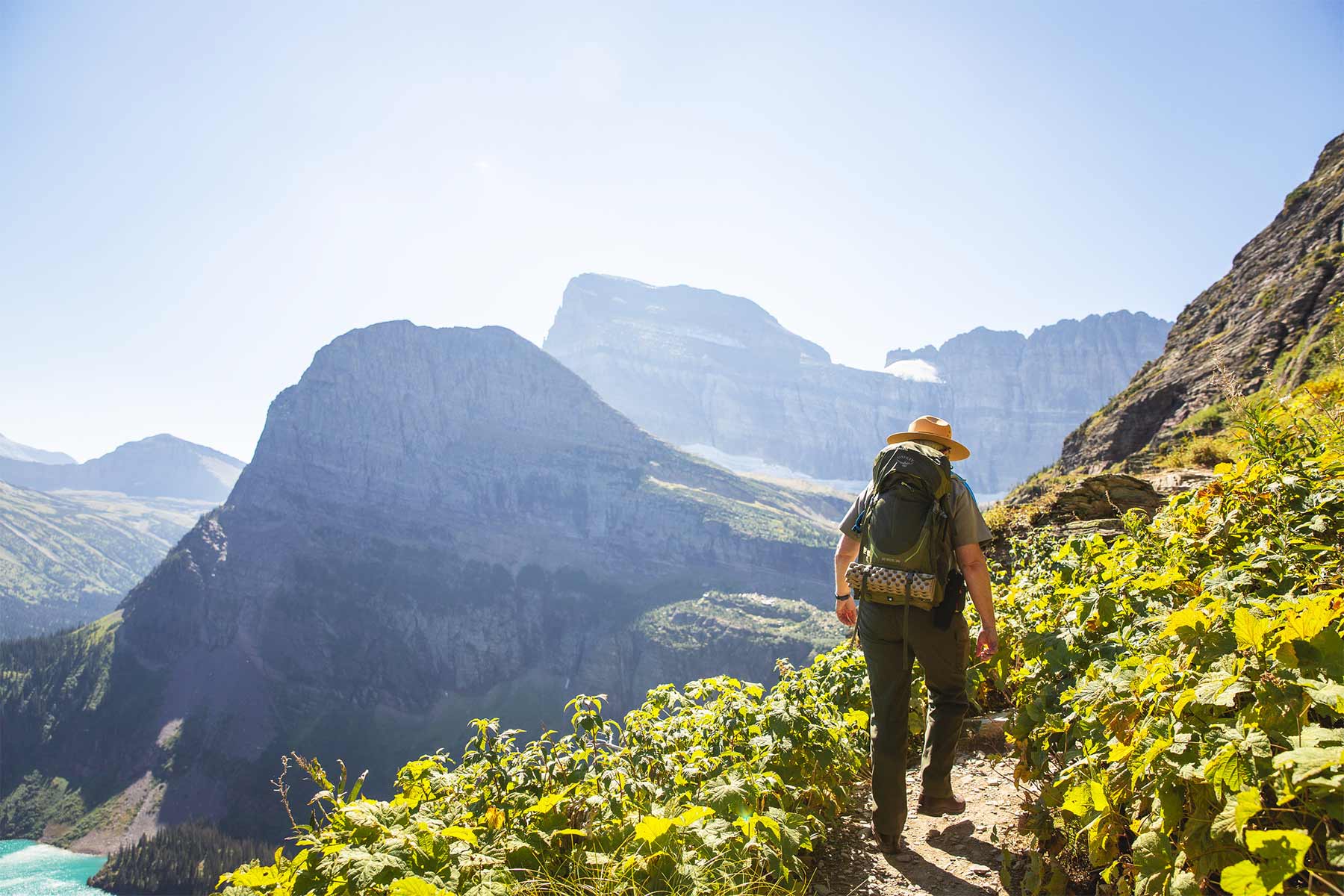
- Grinnell Glacier Trail (Many Glacier Area): Often considered one of the best hikes in Glacier National Park, this challenging trail offers unparalleled views of Grinnell Lake, a series of stunning waterfalls, and culminates at the receding Grinnell Glacier itself. Hikers will traverse diverse landscapes, from forests to open rock, and potentially spot glaciers first-hand. This hike truly embodies the "glaciers, lakes, and wildlife" theme.
- Highline Trail (Logan Pass): Known for its dramatic cliffside path (with a hand cable for security in some sections) and incredible views, the Highline Trail offers expansive vistas, opportunities to spot mountain goats, and access to the Garden Wall. An option to loop back via the Loop Trail or continue to Granite Park Chalet makes it versatile.
When planning your hikes, remember that many of the most celebrated trails are found in the Many Glacier, Logan Pass, and Two Medicine regions, accessible via the Going-to-the-Sun Road or separate entrances. Each area offers a distinct flavor of Glacier's grandeur, from the wildlife-rich valleys of Many Glacier to the high alpine beauty of Logan Pass.
Essential Tips for Hiking in Glacier National Park
Embarking on a hiking adventure in Glacier National Park requires mindful preparation to ensure both safety and enjoyment. The park's wild nature demands respect and readiness.
- Be Bear Aware: Glacier is grizzly country. Always carry bear spray (and know how to use it), hike in groups, and make noise on the trail. Store food properly.
- Pack Layers: Mountain weather is unpredictable. Temperatures can drop significantly, even in summer, and sudden storms are common. Bring waterproof outer layers.
- Stay Hydrated: Carry plenty of water. While there are streams, filtering is recommended if you plan to refill.
- Check Conditions: Before any hike, verify trail status, weather forecasts, and any potential closures at a visitor center or on the park's official website. Snow can linger on high-elevation trails well into summer.
- Vehicle Reservations: During peak season, parts of the Going-to-the-Sun Road and other popular areas require a vehicle reservation in addition to your park entrance fee. Plan well in advance!
- Leave No Trace: Pack out everything you pack in. Stay on designated trails, respect wildlife from a distance, and minimize your impact to preserve the park's pristine beauty for future generations.
Embark on Your Glacier Adventure
Glacier National Park offers a truly unparalleled hiking experience, a chance to connect deeply with one of North America's most magnificent wilderness areas. From the awe-inspiring presence of its namesake glaciers to the tranquil beauty of its countless lakes and the thrilling encounters with its abundant wildlife, every trail offers a unique story. Whether you choose a gentle stroll through ancient forests or a challenging ascent to an alpine vista, the
best hikes in Glacier National Park promise unforgettable memories and a renewed appreciation for the natural world. Plan your visit, prepare wisely, and get ready to discover why this Crown of the Continent continues to captivate the hearts of all who venture into its hallowed grounds.